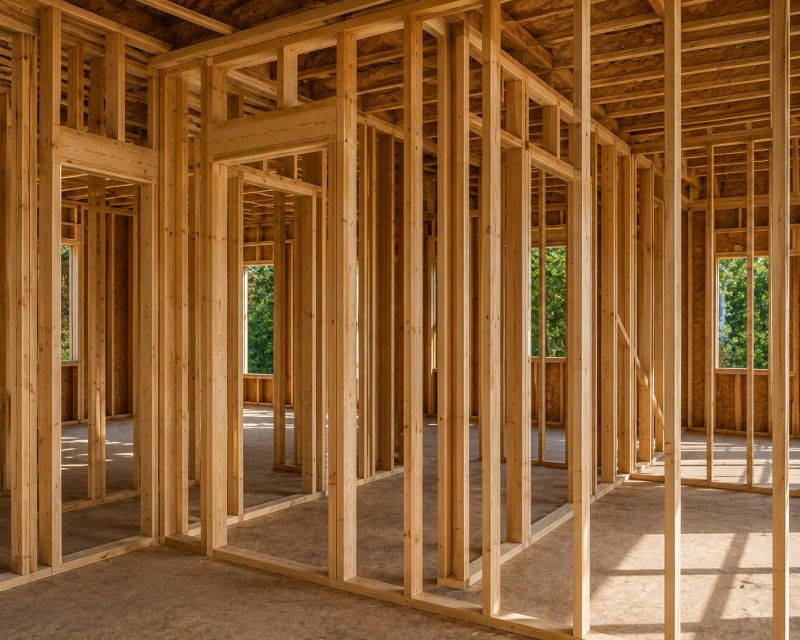
Interior Wall Framing in Wilmington, NC
Interior wall framing services involve constructing the structural framework that forms the walls inside a building. This process typically includes installing wood or metal studs, headers, and other components necessary to create rooms, hallways, or partitions within residential properties. Homeowners often request interior wall framing for projects such as basement finishing, room additions, basement or attic conversions, or remodeling existing spaces to improve layout and functionality. Understanding the materials used, the scope of the framing work, and how it integrates with electrical and plumbing systems can help property owners make informed decisions before requesting services.
Before requesting interior wall framing, property owners should consider the layout and design plans for the space, as well as any specific requirements for insulation, wiring, or plumbing that need to be incorporated. It’s also helpful to clarify the scope of work, including whether existing walls will be removed or modified, and to discuss any structural considerations or building codes that may impact the project. Having a clear understanding of these factors can ensure the framing process aligns with overall renovation goals and property specifications.
Many property owners in Wilmington, NC look into Interior Wall Framing for repairs, replacements, upgrades, and appearance-related improvements.
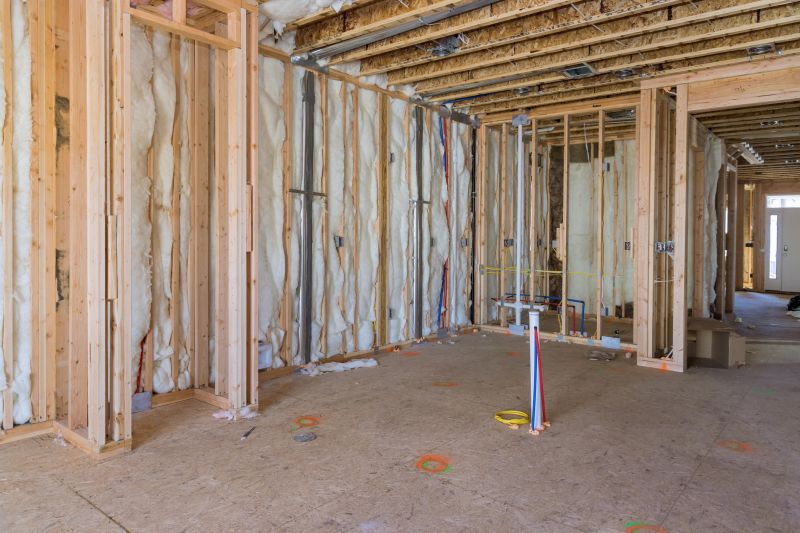
Residential Interior Wall Framing
Creating sturdy interior partitions for homes in wilmington and nearby areas.
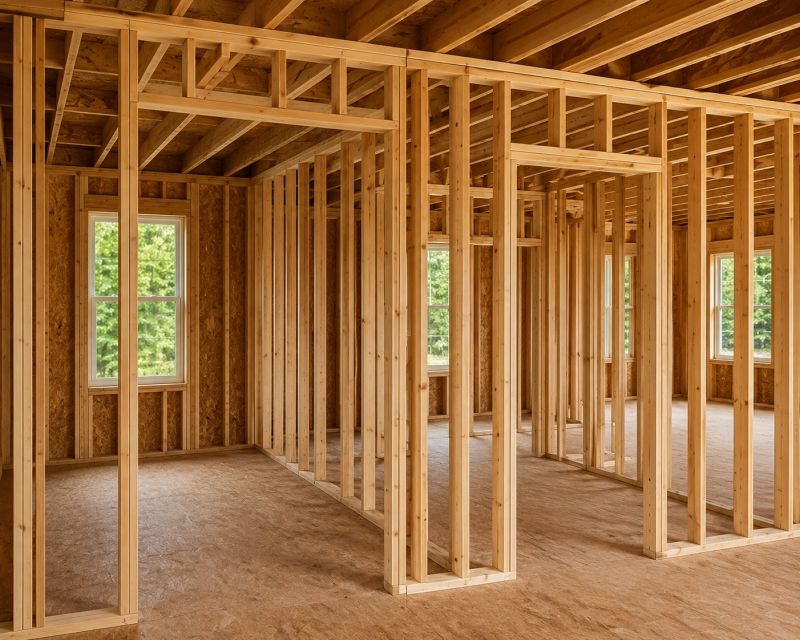
Commercial Wall Framing Solutions
Supporting the construction of office spaces, retail stores, and other commercial interiors.
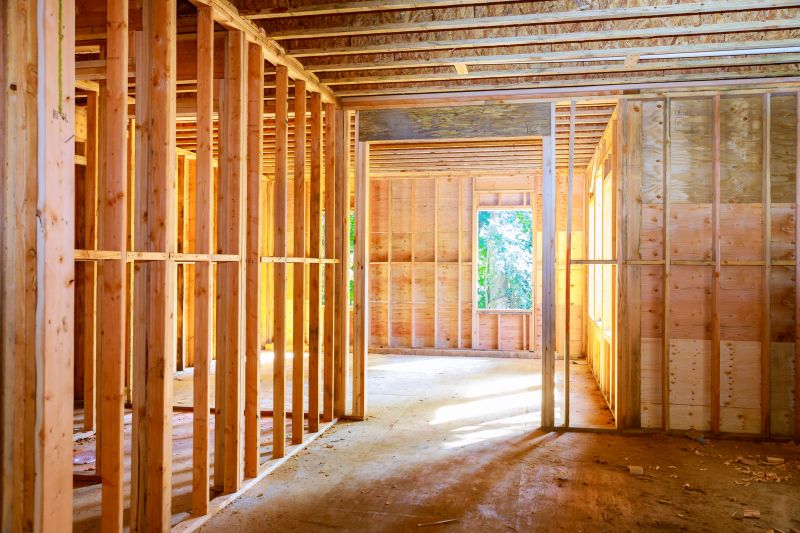
Custom Interior Wall Designs
Implementing tailored framing layouts to meet specific layout and design preferences.
Interior Wall Framing in Wilmington, NC
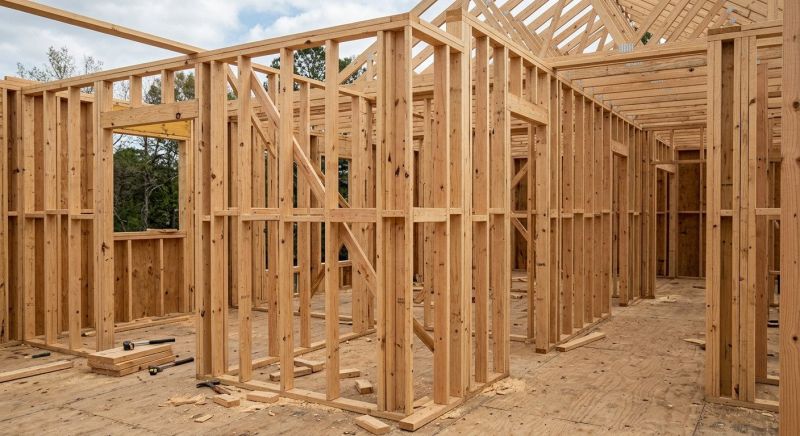
Interior wall framing services involve constructing the structural framework that forms the walls inside a building. This process typically includes installing wood or metal studs, headers, and other components necessary to create rooms, hallways, or partitions within residential properties. Homeowners often request interior wall framing for projects such as basement finishing, room additions, basement or attic conversions, or remodeling existing spaces to improve layout and functionality. Understanding the materials used, the scope of the framing work, and how it integrates with electrical and plumbing systems can help property owners make informed decisions before requesting services.
Before requesting interior wall framing, property owners should consider the layout and design plans for the space, as well as any specific requirements for insulation, wiring, or plumbing that need to be incorporated. It’s also helpful to clarify the scope of work, including whether existing walls will be removed or modified, and to discuss any structural considerations or building codes that may impact the project. Having a clear understanding of these factors can ensure the framing process aligns with overall renovation goals and property specifications.
Many property owners in Wilmington, NC look into Interior Wall Framing for repairs, replacements, upgrades, and appearance-related improvements.
Common Interior Wall Framing Jobs
Interior Wall Framing - provides the structural framework for new interior walls and room divisions.
Room Remodels - involves framing for creating or altering interior spaces during renovations.
Interior Wall Replacement - includes removing and replacing existing framing to update or repair walls.
Basement Finishing - includes framing interior walls to create functional living areas in basements.
Partition Walls - adds interior partitions to optimize space and improve room layouts.
Custom Wall Designs - supports unique interior configurations and architectural features.
Interior Wall Framing Questions
What is interior wall framing? Interior wall framing involves constructing the framework that supports walls inside a building, creating spaces for rooms, doors, and windows.
What types of projects require wall framing? Wall framing is used in new constructions, room additions, renovations, and remodeling projects to define interior spaces.
What materials are typically used for wall framing? The most common materials are wooden studs and metal framing, selected based on the project's needs and building codes.
Why is proper framing important? Proper framing ensures structural stability, accurate room dimensions, and a solid foundation for finishing work like drywall and insulation.
Request Interior Wall Framing in Wilmington, NC
Use the quote form on this page to share the basics of your project and request more information for the type of work you need.